
When Should You Upgrade Your Child’s Bike? A Complete Parent’s Guide
- skilfulsportss
- Jan 7
- 5 min read

Watching your child ride a bike is one of those small parenting moments that feels incredibly rewarding. One day they’re wobbling with training wheels, and before you know it, they’re racing down the street with confidence. But as kids grow quickly, one common question always comes up: when is the right time to upgrade your child’s bike?
Whether you bought the bike from a local store or explored options like wholesale kids bikes, upgrading at the right time is about much more than just buying a bigger frame. It’s about safety, comfort, skill development, and enjoyment. In this detailed guide, we’ll walk through everything parents need to know to make a smart, timely decision.
Why Upgrading a Child’s Bike Matters More Than You Think
A bike that once fit perfectly can become uncomfortable—or even unsafe—as your child grows. Kids experience growth spurts quickly, and riding a bike that’s too small or poorly suited to their skills can lead to:
Poor riding posture
Reduced control and balance
Increased risk of falls and injuries
Frustration and loss of interest
On the flip side, upgrading at the right time helps your child ride more confidently, build better skills, and truly enjoy cycling.
Clear Signs It’s Time to Upgrade Your Child’s Bike
1. Your Child Has Outgrown the Bike
One of the most obvious signs is physical growth. If you notice any of the following, it’s likely time for an upgrade:
Knees hitting the handlebars while pedaling
Seat post raised to its maximum height
Child struggling to pedal comfortably
Arms looking cramped or elbows locked
A correctly sized bicycle allows your child to touch the ground with the balls of their feet, pedal smoothly, and sit upright without strain.
2. The Bike No Longer Matches Their Skill Level
As children become more confident riders, their needs change. A beginner bike may lack features that support advanced riding, such as:
Multiple gears
Hand brakes instead of coaster brakes
Lighter frame materials
Better tire grip for varied terrain
If your child has mastered basic riding skills and wants to explore longer rides or different surfaces, upgrading can help them progress safely and comfortably.
3. Your Child Complains About Discomfort
Kids may not always explain things clearly, but complaints like:
“My bike feels hard to ride”
“It hurts my hands”
“I get tired too fast”
are strong indicators that the bike is no longer a good fit. Discomfort can discourage riding altogether, which defeats the purpose of encouraging an active lifestyle.
4. Frequent Maintenance Issues
While regular maintenance is normal, constant problems may signal that the bike is no longer suitable. Common issues include:
Worn-out brakes
Loose or slipping chains
Cracked or bent frames
Poor gear shifting
At a certain point, upgrading becomes more cost-effective than constant repairs, especially if the bike is already too small.
How Often Do Kids Typically Need a Bike Upgrade?
Although every child grows differently, most kids need a new bike approximately every 2–3 years. Growth spurts, changes in riding habits, and skill development all influence this timeline.
Here’s a general guide:
Ages 2–4: Balance bikes or small pedal bikes
Ages 5–7: 14–16 inch bikes
Ages 8–10: 18–20 inch bikes
Ages 11–14: 24 inch bikes or small adult frames
Remember, height and inseam matter more than age when choosing the right size.
The Safety Factor: Why Size and Fit Are Critical
Riding an ill-fitting bike increases the risk of accidents. A bike that’s too small can cause poor balance, while one that’s too large can be difficult to control.
A correctly sized upgrade helps ensure:
Better braking response
Improved steering control
Stable riding posture
Faster reaction time
Safety isn’t just about helmets—it starts with the right bike.
Emotional Readiness: Is Your Child Ready for an Upgrade?
Upgrading isn’t always about physical size. Emotional readiness matters too. Ask yourself:
Does your child show confidence while riding?
Are they curious about learning new riding skills?
Do they want to ride longer or faster?
If the answer is yes, an upgrade can feel exciting rather than intimidating, helping them build confidence and independence.
Key Features to Look for When Upgrading a Child’s Bike
When it’s time to upgrade, focus on features that support growth and safety:
✔ Lightweight Frame
Lighter bikes are easier to control, especially for younger riders.
✔ Adjustable Seat and Handlebars
This allows room for growth and ensures longer usability.
✔ Reliable Braking System
Hand brakes help kids develop proper stopping skills as they grow.
✔ Appropriate Tire Size
Larger tires provide better stability for older children.
✔ Gear Options (If Needed)
Gears are useful for kids riding on hills or longer routes.
Should You Buy a Bike That’s “One Size Bigger”?
This is a common mistake. While it may seem economical, a bike that’s too big can be unsafe and frustrating. Kids should be able to comfortably control the bike right now, not “grow into it” later.
It’s better to choose a bike that fits properly today, even if it means upgrading again in a couple of years.
What to Do With the Old Bike After Upgrading
Once you upgrade, don’t let the old bike go to waste. Consider these options:
Pass it down to a younger sibling
Donate it to a local charity
Sell it second-hand
Keep it as a backup or practice bike
This makes upgrading more economical and environmentally friendly.
How Upgrading Encourages an Active Lifestyle
A well-fitted bike motivates kids to ride more often. This helps with:
Physical fitness and stamina
Coordination and balance
Mental well-being and confidence
Reducing screen time
When kids enjoy riding, it becomes a habit rather than a chore.
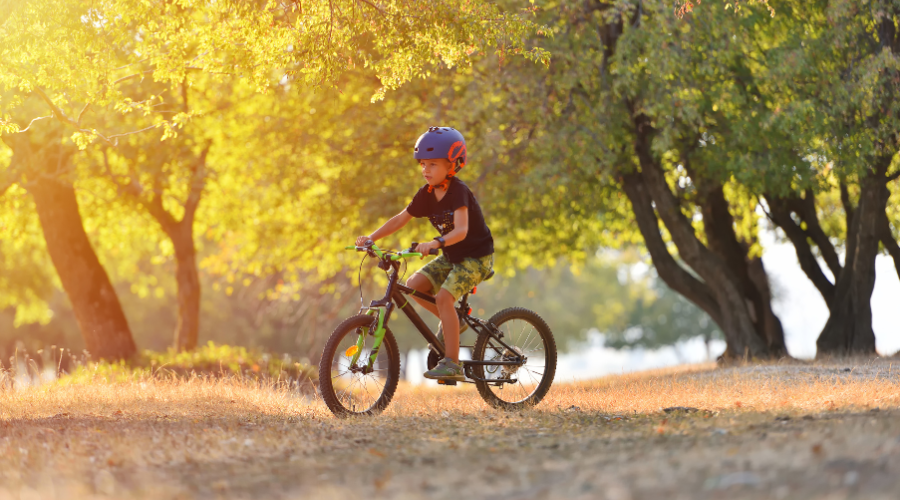
Common Mistakes Parents Should Avoid
Choosing a bike based only on age
Ignoring comfort complaints
Delaying upgrades for too long
Buying overly heavy bikes
Skipping safety checks after upgrading
Avoiding these mistakes ensures your child gets the most benefit from their new bike.
FAQs
How do I know if my child’s bike is too small?
If their knees hit the handlebars, the seat is at maximum height, or they look cramped while riding, it’s time to upgrade.
Is upgrading really necessary if the bike still works?
Yes. A working bike isn’t always a suitable bike. Right fit and riding comfort are just as important as functionality.
Can a bike that’s too small cause injuries?
Yes. Poor posture and limited control increase the risk of falls and joint strain.
How can I make upgrading exciting for my child?
Involve them in the process. Let them choose colors or accessories to make the new bike feel special.
Should I upgrade before or after a growth spurt?
If a growth spurt is noticeable and the bike already feels tight, upgrading sooner is better than waiting.
Conclusion
Upgrading your child’s bike isn’t just about keeping up with their height—it’s about supporting their safety, comfort, and love for cycling. Paying attention to growth, skill development, and riding confidence helps you choose the perfect time to make the switch. When kids ride a bike that truly fits them, they ride more often, ride more safely, and enjoy every moment on two wheels. Making the right upgrade at the right time can turn cycling into a lifelong healthy habit—and that’s an investment every parent can feel good about.


Comments