
Types of Kids' Bikes – The Busy Parent’s Guide
- skilfulsportss
- Dec 5, 2025
- 5 min read
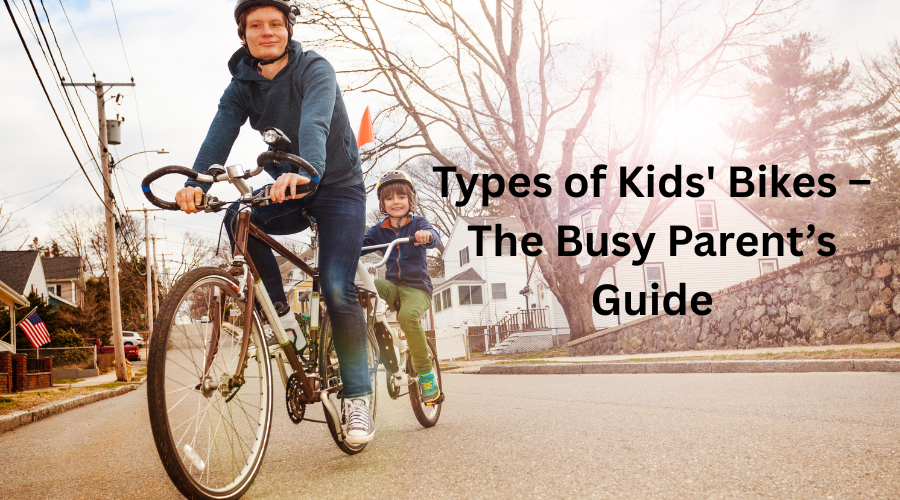
Choosing the right bike for your child can feel a little overwhelming, especially when you’re juggling a busy schedule and trying to make the best decision for your little rider’s comfort and safety. With so many models, sizes, and features on the market, it’s easy to get lost in the options. Whether you're shopping online, comparing models in-store, or even exploring wholesale kids bikes for better value, understanding the various types of children's bikes can make the entire process much more manageable. This guide breaks everything down in a clear, simple, and parent-friendly way so you can confidently select the perfect bike.
Why Choosing the Right Kids’ Bike Matters
Kids grow fast—and so do their skills. A properly chosen bike not only keeps your child safe but also encourages confidence, independence, and a love for outdoor play. The right bike helps improve coordination, builds strength, and supports healthy habits.
But kids don’t all ride the same way. Some are cautious; others are fearless. Some are ready to race down the sidewalk while others are just learning to balance. That’s why understanding the different types of kids’ bikes is so important.
Let’s explore them one by one.
1. Balance Bikes: The Perfect First Step
Balance bikes are ideal for toddlers and early learners. These bikes come with no pedals, allowing kids to focus entirely on learning balance and coordination.
Key Features
Lightweight frames
No chains or gears
Easy to control
Why Parents Love Them
Balance bikes help kids learn balance naturally without training wheels. When they eventually move to a pedal bike, the transition is smooth and stress-free.
Best For
Children ages 18 months to 4 years who are just starting their cycling journey.
2. Training Wheel Bikes: A Classic Choice
Training wheel bikes are the traditional option for early riders who need extra stability. These bikes come with removable training wheels attached to a standard pedal bike.
Advantages
Easy for kids who want to pedal right away
Gives a sense of security
Adjustable training wheels
Things to Consider
Training wheels offer stability, but they don’t teach balance as effectively as balance bikes. Many parents opt to use training wheel bikes after their child gains some confidence with balancing.
Best For
Kids ages 3 to 6 who love the idea of pedaling but still need support.
3. Pedal Bikes: The Standard Upgrade
Once a child learns to balance, a pedal bike becomes the natural next step. These bikes introduce kids to the real cycling experience with pedals, brakes, and proper steering control.
Available Options
Single-speed bikes
Coaster brakes or hand brakes
Lightweight aluminum or steel frames
Why Kids Love Them
They feel like “real bikes” and give kids the excitement of riding independently.
Best For
Kids ages 4 to 8 who can balance without support.
4. BMX Bikes: Built for Adventure
If your child is energetic, daring, or loves watching action sports, a BMX bike might be a perfect match.
Main Characteristics
Thick, durable frames
Knobby tires
Upright handlebars
Strong braking systems
Benefits
BMX bikes are excellent for tricks, fast turns, and rough play. They’re durable enough to handle jumps, ramps, and uneven terrain.
Best For
Active kids ages 5 to 12 who enjoy freestyle riding or racing.
5. Mountain Bikes: For the Young Trail Explorer
Mountain bikes for kids are built to withstand dirt paths, hills, and rugged outdoor trails.
Common Features
Front or dual suspension
Multiple gears
Wide tires
Powerful brakes
Why Parents Choose Them
These bikes are great for family trail rides and outdoor adventures. They help kids develop advanced riding skills and thrive in natural environments.
Best For
Kids ages 7 to 14 who enjoy off-road biking.
6. Road Bikes: For the Future Speedster
Not as common for young children, but perfect for older kids who love speed or participate in junior cycling programs.
Key Characteristics
Thin tires
Lightweight frames
Drop handlebars
Multiple gears
Benefits
Road bikes allow for fast riding on smooth surfaces, perfect for kids who want a challenge.
Best For
Kids ages 9 and up who are comfortable with advanced riding.

7. Hybrid Bikes: The Best of Both Worlds
Hybrid bikes combine elements of road, mountain, and everyday bikes, making them a versatile option.
Standout Features
Medium-width tires
Straight handlebars
Optional gears
Comfortable seats
Why They Work
Hybrids are ideal for casual rides, school commutes, and weekend family outings.
Best For
Kids ages 6 to 14 looking for an all-purpose bike.
8. Cruiser Bikes: Style Meets Comfort
Cruiser bikes are adorable, stylish, and comfortable—perfect for laid-back riding.
Features
Wide, cushioned seats
Upright handlebars
Retro designs
Smooth-rolling tires
Why Parents Prefer Them
Cruiser bikes are easy to ride and offer great stability. Their look and comfort appeal to kids who enjoy gentle rides around the neighborhood.
Best For
Kids ages 6 to 12 who value comfort and style.
How to Choose the Right Kids’ Bike (Quick Checklist)
When selecting a bike, keep these key factors in mind:
1. Size Over Age
Always choose by height and inseam, not age. A bike that’s too big or too small can be unsafe.
2. Weight Matters
A less heavy bike gives children better control., especially beginners.
3. Brakes
Coaster brakes for younger kids
Hand brakes for older or more confident riders
4. Tires
Smooth tires for pavement
Knobby tires for trails
5. Safety Gear
Always pair the bike with:
A properly fitted helmet
Elbow and knee pads (optional but helpful)
Closed-toe shoes
Common Questions Parents Ask
1. What is the best bike for a beginner?
A balance bike is usually the best starting point for toddlers and young beginners. It builds confidence and teaches balance faster than training wheels.
2. When should I switch my child from a balance bike to a pedal bike?
Most kids are ready between ages 3 and 5. Once they can glide comfortably and maintain balance, they can transition to pedals.
3. Should I choose a bike with gears for my child?
Gears are helpful for older kids who ride on hills or uneven terrain. For beginners, single-speed bikes are usually easier.
4. How often should I replace a kids’ bike?
Kids grow fast! Typically every 1–2 years, depending on height and usage.
5. Is it safe to buy second-hand bikes?
Yes, as long as you inspect the brakes, tires, chain, and overall frame condition. Always test for fit and safety.
Conclusion
Choosing the right kids’ bike doesn’t have to be stressful. By understanding the different bike types—balance bikes, pedal bikes, BMX models, mountain bikes, cruisers, and more—you can match the perfect ride to your child’s age, height, skills, and personality. A well-fitted, well-chosen bike not only keeps them safe but also fuels their sense of adventure, builds confidence, and encourages healthy outdoor habits. As a busy parent, this guide gives you everything you need to make a confident and informed decision.


Comments