
Top Benefits of Riding a Suspension Bike on Rough Terrain
- skilfulsportss
- Dec 17, 2025
- 4 min read

Riding across rocky trails, uneven paths, and rugged landscapes can be both thrilling and challenging. For cyclists who crave adventure without sacrificing comfort or control, a suspension bike is a game-changer. Whether you’re a weekend explorer or a serious trail rider, choosing the right bike—and even the right suspension bike supplier—can significantly impact your riding experience. In this guide, we’ll break down the key advantages of riding a suspension bike on rough terrain, explain how it improves performance and safety, and help you understand why it’s worth the investment.
What Is a Suspension Bike?
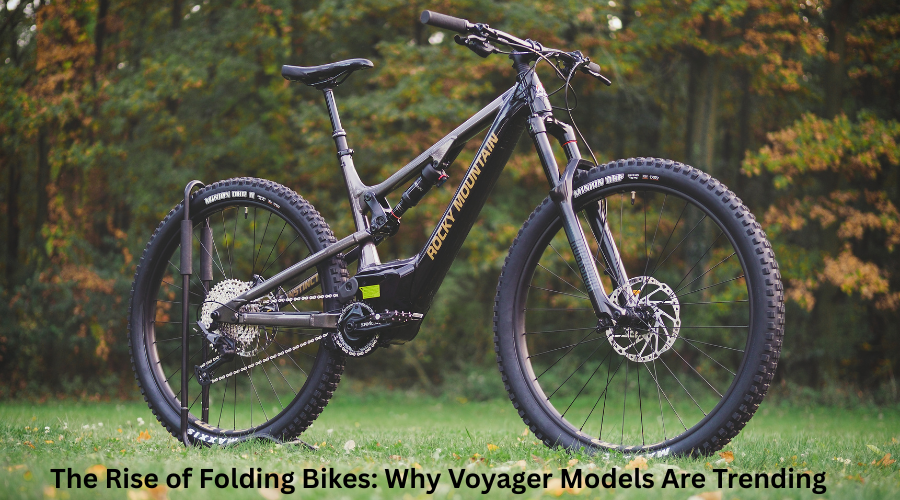
A suspension bike is designed with shock-absorbing systems that reduce the impact of bumps, rocks, and uneven surfaces. These systems typically come in two forms:
Front suspension (hardtail) – absorbs shocks from the front wheel
Full suspension – includes dual suspension for maximum comfort and control
Unlike rigid bikes, suspension bikes are built to adapt to challenging environments, making them ideal for trails, mountains, and off-road adventures.
1. Superior Comfort on Uneven Terrain
One of the biggest benefits of a suspension bike is enhanced riding comfort. Rough terrain can cause constant vibrations that lead to fatigue, sore wrists, and lower back pain.
How suspension helps:
Absorbs shocks from rocks, roots, and potholes
Reduces strain on joints and muscles
Allows longer rides without discomfort
Instead of feeling every bump, the bike smooths out the ride, letting you stay focused on enjoying the trail rather than enduring it.
2. Better Control and Stability
When riding on unpredictable terrain, control is everything. Suspension systems keep the wheels firmly planted on the ground, improving traction and balance.
Key advantages include:
Improved grip on loose gravel and dirt
Reduced wheel bounce on rocky trails
Greater confidence when navigating steep or technical sections
With better control, riders can tackle challenging paths with less hesitation and more precision.
3. Enhanced Safety and Minimized Injury Risk
Safety is commonly ignored until something goes wrong. A suspension bike plays a major role in minimizing accidents and injuries.
Why suspension improves safety:
Absorbs sudden impacts that could throw riders off balance
Reduces the chance of skidding on uneven surfaces
Helps maintain stability during sudden stops or sharp turns
By reducing harsh jolts, suspension bikes also lower the chance of repetitive strain injuries over time.

4. Improved Performance on Trails and Off-Road Paths
If performance matters to you, suspension bikes deliver noticeable benefits. Riders often experience faster speeds and smoother handling on rough terrain.
Performance improvements include:
Better momentum over obstacles
Less energy wasted absorbing shocks
Increased efficiency on climbs and descents
Instead of fighting the terrain, you flow with it—making each ride more efficient and enjoyable.
5. Increased Confidence for Beginners and Experts Alike
Rough terrain can be intimidating, especially for beginners. Suspension bikes help riders feel more secure, which boosts confidence.
Confidence-building features:
Forgiving design that handles mistakes better
Smooth ride that reduces fear of falling
Easier learning curve for trail riding
Even experienced cyclists benefit from the added assurance when tackling more aggressive trails.
6. Reduced Rider Fatigue on Long Rides
Fatigue can cut adventures short. Suspension bikes are designed to preserve rider energy, allowing you to go farther with less exhaustion.
How it reduces fatigue:
Minimizes vibrations transmitted to the body
Decreases muscle strain from constant impacts
Encourages better posture and riding form
This makes suspension bikes ideal for long-distance trail rides and endurance cycling.
7. Versatility Across Different Terrains
One of the underrated benefits of suspension bikes is their adaptability. They perform well on a wide range of surfaces, including:
Rocky Mountain trails
Forest paths
Gravel roads
Urban roads with potholes
This versatility makes suspension bikes a smart choice for riders who enjoy exploring different environments without switching bikes.
8. Better Traction in Wet and Slippery Conditions
Riding on wet or muddy terrain can be tricky. Suspension systems help maintain consistent tire contact, even on slippery surfaces.
Benefits include:
Improved braking performance
Reduced slipping on wet rocks and roots
More control in unpredictable weather
This added traction makes suspension bikes reliable in various riding conditions.
9. Advanced Technology for Modern Riders
Modern suspension bikes come equipped with cutting-edge technology that enhances the overall riding experience.
Common features include:
Adjustable suspension settings
Lightweight yet durable frames
Precision-engineered components
These innovations allow riders to customize their bikes based on terrain and personal preferences.
10. Long-Term Value and Durability
While suspension bikes may have a higher upfront cost, they often provide better long-term value.
Why do they last longer?
Reduced wear and tear on components
Stronger frames built for rough use
Higher resale value compared to rigid bikes
Investing in a suspension bike can save money on repairs and upgrades over time.
How to Choose the Right Suspension Bike
Before buying, consider the following factors:
Type of terrain you ride most often
Your skill level and riding goals
Suspension type (hardtail vs. full suspension)
Frame material and weight
Choosing wisely ensures you get the most out of your investment and enjoy every ride.
FAQs
Are suspension bikes good for beginners?
Yes, suspension bikes are beginner-friendly because they provide better control, comfort, and forgiveness on rough terrain.
Do suspension bikes require more maintenance?
They do require slightly more maintenance than rigid bikes, but regular care keeps them performing optimally for years.
Can I use a suspension bike on smooth roads?
Absolutely. While designed for rough terrain, suspension bikes can handle paved roads comfortably, though they may feel slightly less efficient than road bikes.
Is full suspension better than front suspension?
It depends on your riding style. Full suspension offers maximum comfort and control, while front suspension is lighter and more efficient for moderate trails.
Are suspension bikes worth the cost?
For riders who frequently tackle rough terrain, the comfort, safety, and performance benefits make suspension bikes well worth the investment.
Conclusion
Riding a suspension bike on rough terrain transforms challenging paths into enjoyable adventures. From enhanced comfort and improved safety to better control and long-term durability, the benefits are clear. Whether you’re navigating rocky trails, muddy paths, or uneven landscapes, a suspension bike allows you to ride with confidence and ease. By understanding how suspension systems work and what benefits they provide, you can make a well-considered choice that elevates your cycling experience. If adventure, comfort, and performance matter to you, a suspension bike is not just an option—it’s a smart choice.


Comments