
The Urban Evolution of the Voyager Bike
- skilfulsportss
- 3 days ago
- 5 min read
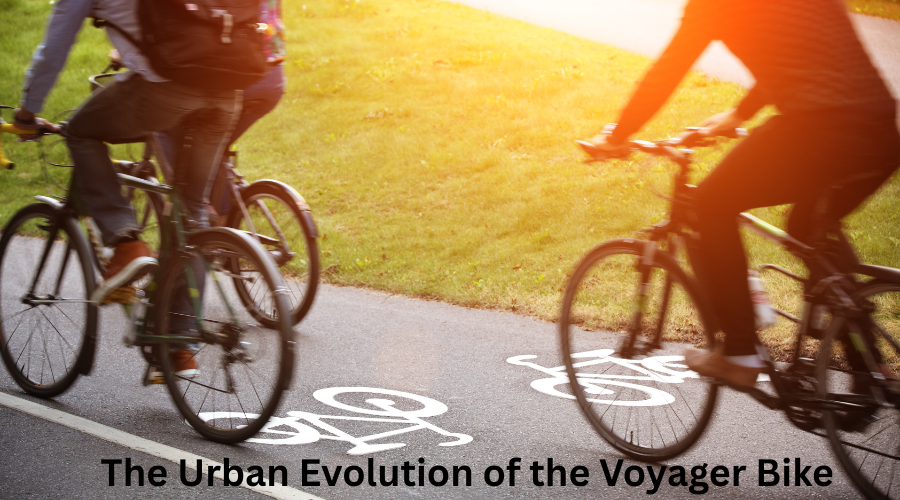
The modern city is changing fast, and so are the ways people move through it. Among the most noticeable shifts in urban mobility is the rise of compact cycling solutions like the voyager folding bike, which has become a practical answer to crowded roads, limited parking, and the growing demand for sustainable transport. As cities expand and daily commutes become more complex, the evolution of the Voyager bike reflects a broader transformation in how we think about travel, convenience, and efficiency.
This article explores how Voyager bikes have developed over time, why they are becoming a key part of urban transportation, and what makes them such a powerful alternative to traditional commuting methods.
The Changing Face of Urban Transportation
Urban transportation has never been static. Over the decades, cities have relied heavily on cars, buses, and trains to move people around. However, rapid urbanization has created new challenges—traffic congestion, pollution, rising fuel costs, and limited infrastructure space.
As a result, people are now shifting toward smarter, more flexible mobility solutions. Bikes, especially foldable ones like the Voyager series, are at the center of this change. They offer a way to travel efficiently without contributing to the growing environmental and logistical problems associated with cars.
The evolution of the Voyager bike is closely tied to these urban pressures, making it not just a product but a response to modern city life.
From Traditional Cycling to Modern Folding Innovation
Cycling itself is not new. For decades, bicycles have been a simple and effective means of transport. However, traditional bikes come with limitations—storage issues, difficulty carrying them into buildings, and challenges when combining cycling with public transport.
The introduction of folding bikes changed everything.
Voyager bikes represent a modern upgrade to conventional cycling. They are designed to be compact, lightweight, and adaptable to urban environments. Instead of being restricted by size and storage needs, riders can now fold their bikes within seconds and carry them wherever they go.
This innovation has helped cycling evolve from a recreational activity into a fully integrated commuting solution.
Why Voyager Bikes Fit Modern Cities So Well
1. Built for Limited Space Living
In many cities, living spaces are shrinking while populations grow. Apartments often lack storage areas, making it difficult to keep traditional bicycles indoors. Voyager bikes solve this issue with their compact folding design, allowing users to store them under desks, in closets, or even in small car trunks.
2. Designed for Multi-Mode Commuting
Today’s commuters rarely rely on a single form of transport. A typical journey might include walking, cycling, and using public transit. Voyager bikes are ideal for this kind of hybrid travel because they can be folded and carried onto trains, buses, or office buildings without hassle.
3. Time-Saving Mobility
In congested cities, time is one of the most valuable resources. Voyager bikes help riders avoid traffic jams and reduce waiting time for public transportation. This makes daily commuting faster and more predictable.
The Role of Technology in Urban Bike Evolution
The evolution of Voyager bikes is not just about folding frames. It also involves advancements in engineering and materials. Modern designs often include:
Lightweight aluminum or alloy frames
Improved braking systems for safer rides
Adjustable handlebars and seating for comfort
Smooth gear systems for better performance
These improvements make Voyager bikes more durable, efficient, and comfortable for everyday use.
Technology has also improved portability. New folding mechanisms are designed to be intuitive, allowing users to collapse or assemble their bikes in under a minute.
Environmental Benefits Driving Popularity
One of the strongest reasons behind the rise of Voyager bikes is their environmental advantage. Cities around the world are struggling with air pollution and carbon emissions caused by heavy vehicle use.
By switching to cycling for short trips, commuters can significantly reduce their environmental footprint. Voyager bikes, in particular, support this shift by making cycling more accessible and practical.
Even small behavioral changes—like biking to work instead of driving—can collectively have a major positive impact on urban air quality.
Economic Advantages of Voyager Bikes
Beyond environmental benefits, Voyager bikes also make financial sense. Owning a car comes with recurring costs such as fuel, maintenance, insurance, and parking fees. These costs can be overwhelming, especially in large cities.
Voyager bikes, on the other hand, require minimal maintenance and have no fuel costs. This makes them a cost-effective transportation alternative for students, office workers, and budget-conscious commuters.
Over time, the savings from switching to a folding bike can be significant.
Fitness and Lifestyle Improvements
Another often-overlooked advantage of cycling is its impact on health. Regular biking helps improve cardiovascular fitness, strengthens muscles, and supports mental well-being.
Voyager bikes make it easier for people to incorporate exercise into their daily routines without setting aside extra time for the gym. Even short rides to work or the market contribute to a more active lifestyle.
In busy urban environments, this combination of transportation and fitness is especially valuable.

How Cities Are Supporting the Cycling Revolution
The rise of folding bikes has encouraged many cities to invest in cycling infrastructure. Dedicated bike lanes, secure parking areas, and bike-friendly traffic policies are becoming more common.
These improvements are making cycling safer and more appealing, which in turn encourages more people to adopt bikes as their primary mode of transport. The evolution of Voyager bikes is therefore not happening in isolation—it is part of a larger shift toward sustainable urban planning.
Challenges Still Facing Folding Bikes
Despite their many advantages, Voyager bikes are not without limitations. Some challenges include:
Learning how to collapse and expand the bike efficiently
Limited performance on rough or mountainous terrain
Higher upfront cost compared to basic bicycles
However, these challenges are relatively minor when compared to the long-term benefits they offer.
The Future of Urban Cycling
The future of city transportation is likely to be more flexible, eco-friendly, and interconnected. Voyager bikes are already playing a major role in this transformation, and their importance is expected to grow even further.
We can expect continued innovation in lightweight materials, smarter folding systems, and even integration with digital tools like GPS tracking or ride-sharing platforms.
As cities keep expanding, the demand for practical and sustainable transportation solutions will only increase.
Conclusion
The urban evolution of the Voyager bike represents more than just a trend in cycling—it reflects a fundamental shift in how people move through cities. As urban spaces become more crowded and environmentally conscious, compact and efficient mobility solutions are no longer optional; they are essential.
Voyager bikes stand out because they combine convenience, affordability, and sustainability in a way that fits modern urban life perfectly. From reducing travel time to lowering environmental impact and improving personal health, their benefits are wide-ranging and meaningful. As cities continue to evolve, Voyager bikes are set to remain an important part of the future of transportation.
FAQs
1. What makes Voyager bikes different from regular bicycles?
Voyager bikes are foldable, making them easier to store, carry, and use in combination with other transport systems.
2. Are Voyager bikes suitable for daily commuting?
Yes, they are designed specifically for urban commuting and short to medium-distance travel.
3. How long does it take to fold a Voyager bike?
Most models can be folded or unfolded within 30–60 seconds.
4. Are they good for beginners?
Yes, Voyager bikes are user-friendly and suitable for riders of all experience levels.
5. Do Voyager bikes require a lot of maintenance?
No, they require minimal maintenance compared to motor vehicles, making them very cost-efficient.



Comments