
The Future of E-Bike Wholesale: Growth Opportunities in Global Markets
- skilfulsportss
- Feb 16
- 5 min read
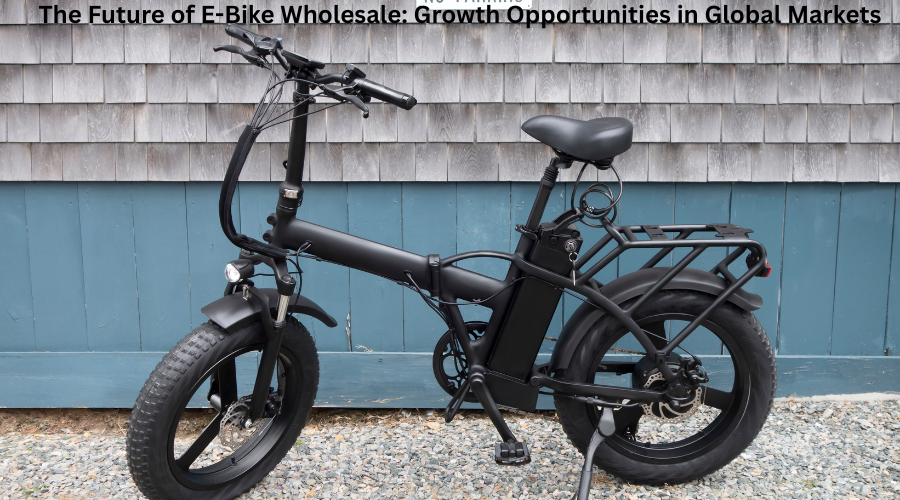
In recent years, wholesale electric road bikes have emerged as a game-changer in the global transportation industry. With increasing environmental awareness, urban congestion, and technological advancements, electric bikes—or e-bikes—are rapidly transforming how people commute, exercise, and explore the world. For businesses looking to capitalize on this trend, the wholesale e-bike market presents unprecedented growth opportunities. In this article, we’ll explore the driving forces behind e-bike demand, the potential markets, strategies for wholesalers, and future trends shaping this booming industry.
Why the E-Bike Market is Expanding Rapidly
The surge in e-bike popularity is not a coincidence. Several key factors contribute to this growth:
Environmental Awareness: With global warming becoming a pressing global concern, consumers are shifting towards eco-friendly transportation. E-bikes offer an eco-friendly substitute for conventional transportation , reducing carbon footprints while promoting sustainable travel.
Urban Mobility Challenges: Traffic congestion in metropolitan areas is pushing commuters to seek faster, more flexible transportation. E-bikes are ideal for navigating crowded streets, providing a convenient and cost-effective solution.
Health and Fitness Trends: Unlike traditional bicycles, e-bikes combine pedal power with electric assistance, allowing riders of all ages and strength and stamina to enjoy cycling. This feature enhances their attractiveness to a broader audience, from casual riders to fitness enthusiasts.
Technological Advancements: Modern e-bikes are equipped with smart features such as GPS tracking, integrated apps, and battery monitoring. These innovations enhance the riding experience and increase the appeal of e-bikes in the consumer market.
Key Global Markets for Wholesale E-Bikes
As demand grows, certain regions are emerging as hotspots for e-bike wholesale opportunities. Grasping market trends is critical for businesses looking to expand internationally.
1. Europe
Europe has long been a leader in the e-bike industry, particularly in countries like Germany, the Netherlands, and France. Factors contributing to this trend include:
Strong cycling culture and government incentives for eco-friendly commuting.
Expanding urban infrastructure such as bike lanes and charging stations.
High consumer purchasing power and awareness of sustainable lifestyles.
For wholesalers, Europe offers high-value markets with significant potential for long-term growth.
2. North America
The United States and Canada are witnessing a rapid uptick in e-bike adoption. Initially a niche market, e-bikes are now entering mainstream transportation thanks to:
Increased interest in outdoor recreation and fitness.
Rising gas prices prompting alternative commuting methods.
Local and state incentives supporting electric mobility solutions.
For businesses, North America provides opportunities to tap into both urban commuters and recreational riders.
3. Asia-Pacific
The Asia-Pacific region is poised for explosive growth, driven by countries like China, Japan, and India. China, in particular, dominates global e-bike manufacturing, making it a strategic hub for wholesalers. Key drivers include:
Fast-paced city growth and traffic congestion in major cities.
Rising disposable income and middle-class expansion.
Government policies promoting electric mobility to reduce pollution.
Wholesalers can benefit from lower production costs and access to cutting-edge technology in this region.

4. Latin America and the Middle East
Emerging markets in Brazil, Mexico, UAE, and Saudi Arabia are slowly embracing e-bikes. These regions offer opportunities for early market entry and brand establishment before competition intensifies. Factors fueling adoption include urban growth, tourism, and rising environmental consciousness.
Strategies for Success in the Wholesale E-Bike Market
To thrive in the e-bike wholesale sector, companies must adopt strategic approaches that address both supply and demand factors.
1. Build Strong Supplier Relationships
E-bike wholesalers need reliable manufacturing partners to ensure consistent quality, timely delivery, and competitive pricing. Partnering with reputable manufacturers—especially those offering innovative designs and battery technology—can give wholesalers a distinct competitive edge.
2. Focus on Market Segmentation
Not all e-bike consumers have the same needs. Wholesalers should tailor their offerings to specific segments, such as:
Urban commuters seeking lightweight, foldable models.
Fitness enthusiasts desiring high-performance e-bikes.
Recreational riders preferring durable, all-terrain options.
Segmented strategies allow wholesalers to meet demand more effectively and build long-lasting customer loyalty.
3. Emphasize Branding and After-Sales Service
The e-bike market is becoming increasingly competitive. Wholesalers can differentiate themselves through strong branding, warranties, and exceptional after-sales support. Providing technical training, maintenance services, and responsive customer support fosters trust and encourages repeat business.
4. Leverage Online and Omnichannel Sales
Digital marketing and e-commerce are essential in today’s global market. Wholesalers should invest in online platforms, social media promotion, and strategic partnerships with retailers to maximize visibility and reach international buyers efficiently.
Challenges in the E-Bike Wholesale Industry
While the market is promising, wholesalers should be aware of potential obstacles:
Regulatory Variations: Different countries have varying laws regarding e-bike classifications, speed limits, and safety standards.Ensuring adherence is crucial to avoid legal complications.
Battery Technology and Supply Chain Issues: Lithium-ion batteries are central to e-bike performance, but supply chain disruptions can impact production and delivery.
Market Competition: Established brands and local manufacturers pose competitive challenges. Wholesalers must continuously innovate and maintain cost-effective pricing strategies.
Future Trends Shaping E-Bike Wholesale
The e-bike industry is dynamic, and wholesalers must anticipate emerging trends to remain competitive:
Integration of Smart Technology: Expect more e-bikes with IoT-enabled features, app connectivity, and advanced sensors for safety and performance monitoring.
Sustainable Materials: Eco-conscious consumers are demanding bikes made from recyclable and lightweight materials. Wholesalers adopting sustainable production methods will stand out.
Advancements in battery technology: Advances in battery technology, such as faster charging, higher capacity, and longer lifespan, will make e-bikes even more appealing.
Customized Solutions: Personalized designs, adjustable features, and modular accessories will cater to diverse customer preferences.
By embracing these trends, wholesalers can position themselves as industry leaders in innovation and quality.
Conclusion
The global e-bike market is on a trajectory of rapid expansion, fueled by environmental awareness, urban mobility challenges, and technological innovation. For wholesalers, the opportunity to supply high-quality, innovative e-bikes to diverse markets is immense. By understanding regional dynamics, leveraging strategic partnerships, embracing digital sales channels, and staying ahead of emerging trends, businesses can gain a substantial market portion.
As cities continue to embrace sustainable transportation and consumers prioritize health, convenience, and eco-conscious choices, bulk electric road bikes and other e-bike models will remain a cornerstone of future mobility solutions. The secret to achieving success lies in innovation, adaptability, and a thorough knowledge of global market opportunities.
FAQs
Q1: Are e-bikes profitable for wholesalers?
Yes, with rising demand in urban and recreational markets, e-bikes offer strong profit margins, especially when paired with quality products and strong branding.
Q2: Which countries are best for e-bike wholesale?
Europe, North America, and Asia-Pacific are the most promising regions due to consumer adoption, government incentives, and infrastructure support.
Q3: What factors should wholesalers consider before entering the market?
Key considerations include supplier reliability, regulatory compliance, market segmentation, pricing strategy, and after-sales support.
Q4: How is technology influencing e-bike sales?
Smart features, battery advancements, and app integration are attracting a tech-savvy consumer base, increasing overall demand.
Q5: Will e-bikes continue to grow in popularity?
Yes, with urbanization, environmental concerns, and lifestyle trends, e-bikes are expected to see sustained global growth for the next decade.


Comments