
Comparing Electric Road Bikes vs. Traditional Road Bikes
- skilfulsportss
- Dec 22, 2025
- 4 min read

When it comes to cycling, riders today have more choices than ever before. One of the most popular trends in recent years is the rise of electric road bikes. For cycling enthusiasts and commuters alike, these bikes provide a distinctive combination of performance and convenience. Whether you’re exploring options for personal use or sourcing wholesale electric road bikes for your store, understanding the differences between electric road bikes and traditional road bikes is crucial. This guide is designed to assist the main distinctions, benefits, and considerations, ensuring you make the best choice for your cycling needs.
What Are Electric Road Bikes?
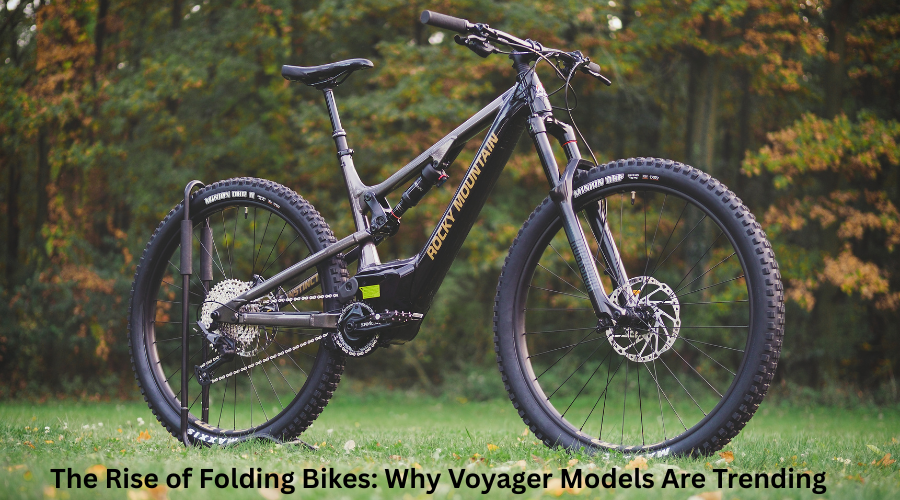
Electric road bikes, or e-road bikes, are traditional road bikes equipped with an integrated electric motor. This motor assists riders as they pedal, making it easier to climb hills, maintain higher speeds, and travel longer distances without excessive fatigue. Most e-road bikes feature lightweight frames, rechargeable batteries, and a variety of pedal-assist levels to cater to different rider preferences.
Key Features of Electric Road Bikes:
Motor Assistance: Provides additional power to pedaling, ideal for uphill rides.
Rechargeable Battery: Typically offers a range of 30–100 miles, depending on terrain and motor usage.
Integrated Display: Shows speed, battery level, distance, and assistance level.
Comfort Enhancements: Often include ergonomic handlebars, wider tires, and shock-absorbing features.
Traditional Road Bikes: The Classic Choice
Traditional road bikes have been around for decades and are designed for speed, efficiency, and long-distance cycling on paved roads. They rely solely on human power, which makes them lightweight, agile, and highly responsive.
Key Features of Traditional Road Bikes:
Lightweight Frames: Usually made from aluminum, carbon fiber, or steel.
Manual Gearing: Riders control speed and resistance through a multi-gear system.
Aerodynamic Design: Slim tires, drop handlebars, and aggressive geometry enhance speed.
Minimal Maintenance: Fewer electronic components mean less potential for mechanical issues.
Comparing Performance
When comparing performance, electric road bikes have an obvious benefit in terms of reducing physical strain. The motor assistance makes climbing steep hills and tackling long distances more manageable. Riders can maintain higher average speeds with less effort, which is especially beneficial for commuters and older cyclists.
Traditional road bikes, on the other hand, excel in agility and precision. Because they lack a motor, the rider is fully in control of the bike’s power and handling. This makes them ideal for competitive cyclists who value speed, training efficiency, and technical riding on twisty roads.
Speed and Endurance:
Electric Road Bikes: Pedal-assist allows consistent speeds even on challenging terrain.
Traditional Road Bikes: Maximum speed depends entirely on rider strength and endurance.
Climbing Ability:
Electric Road Bikes: Motor provides significant help on steep inclines.
Traditional Road Bikes: Requires more effort and stamina to climb hills.
Cost Considerations
Electric road bikes generally cost more than traditional road bikes due to the advanced technology involved. Motors, batteries, and integrated electronics increase the initial investment. However, for riders seeking convenience, longer rides, or commuting without exhaustion, the cost can be justified.
Traditional road bikes are often more affordable and have lower maintenance costs. They do not require battery replacements or electronic servicing, making them ideal for riders on a budget or those who prefer simplicity.

Maintenance and Longevity
Maintenance differs significantly between these two types of bikes. Electric road bikes require attention to their battery, motor, and electrical systems, in addition to standard components like chains, brakes, and gears. Proper charging habits and regular inspection of electrical components can extend their lifespan.
Traditional road bikes are simpler to maintain. Regular cleaning, lubrication, and gear tuning are usually sufficient to keep the bike in top condition for years.
Who Should Choose Electric Road Bikes?
Electric road bikes are perfect for:
Commuters who want to arrive at work without sweating.
Older riders or those with joint issues who need pedal assistance.
Cyclists covering long distances or hilly terrains regularly.
Retailers looking to stock trending e-bikes, especially in bulk, which is where electric road bikes in wholesale become an attractive option.
Who Should Stick With Traditional Road Bikes?
Traditional road bikes are ideal for:
Competitive cyclists seeking maximum performance.
Riders focused on fitness and endurance training.
Cyclists who prefer low-maintenance, lightweight bikes.
Budget-conscious riders who want a high-quality bike without electronics.
Conclusion
Choosing between electric road bikes and traditional road bikes ultimately depends on your riding style, fitness goals, and budget. Electric road bikes offer convenience, assistance, and the ability to cover longer distances with ease, making them ideal for commuting and leisure riding. Traditional road bikes provide unmatched control, speed, and fitness benefits, appealing to performance-focused cyclists. By understanding the differences, you can make a well-informed decision and enjoy your cycling experience to the fullest.
FAQs
1. Can I ride an electric road bike like a regular bike?
Yes, most e-road bikes have multiple assistance levels, and you can ride them with minimal or no motor support.
2. How long does the battery of an electric road bike last?
Battery duration depends but typically ranges from 30 to 100 miles per charge, based on the landscape and assistance level.
3. Are electric road bikes heavier than traditional road bikes?
Yes, due to the motor and battery, e-road bikes are generally heavier but remain manageable for most riders.
4. Can traditional road bikes be converted to electric?
Some bikes can be fitted with aftermarket e-bike conversion kits, but it may not provide the same seamless experience as a purpose-built electric road bike.
5. Are electric road bikes worth the investment?
For commuters, older riders, and those who want longer rides with less fatigue, e-road bikes are a worthwhile investment.


Comments